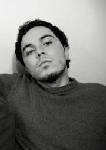
Nació en 1977 en
Lima, Perú. Se crió en Alabama. Actualmente vive en Oakland, California, donde
es el Escritor visitante distinguido del Mills College.
Dentro
de la legión de escritores jóvenes de Perú, es reconocido dentro de los
mejores. La obra de Daniel Alarcón ha sido publicada en medios como The New
Yorker, Harper's, Virginia Quarterly Review y revistas Latinoamericanas como
Somos (Perú).
Su obra no
ficticia ha aparecido en Salon.com y Eyeshot, y es editor asociado de la
revista peruana Etiqueta Negra. Ganó la Beca Fulbright en Perú
Su primer libro, Guerra en las penumbras (Ed.
HarperCollins, 2005), colección de cuentos ambientados en la época del miedo en
Perú, cuando este país estaba amenazado por los terroristas de Sendero
Luminoso. Fue finalista en el 2006 del premio de laFundación
Hemingway (PEN/Hemingway Foundation Award).
El 30 de enero de 2007 publicó su
primera novela, Radio Ciudad Perdida (Ed.
Alfaguara, 2007). En 2009, publicó El rey siempre está por encima del pueblo
(Planeta, 2009).
CITY OF CLOWNS
Cuando llegué al hospital aquella mañana, encontré a mi madre fregando los pisos. Mi anciano padre había muerto un día antes y a ella le había dejado una cuenta excepcional con que lidiar. Ellos la habían tenido trabajando toda la noche. Coloqué la deuda con un avance en un papel que me había dado. Le dije que lo sentía, y lo sentía. Su cara se fue tornando roja, pero ella no lloraba más. Ella se veía cansada con una triste y oscura mirada. "ella es Carmela", dijo, " la amiga de tu padre”. Carmela fregaba el suelo conmigo". Mi madre me miró a los ojos, como para que interpretara eso. Y lo hice. Sabía exactamente quién era esa mujer.
“¿Oscarcito? No te he visto desde que eras así de grande " dijo Carmela, señalando su cadera. Ella levantó su mano, y yo se la di de mala gana. Algo en aquel comentario me molestó, me confundió. ¿Cuándo yo la había visto? Yo no podía creer que ella estuviera de pie, allí delante de mí.
En el velorio, conocí a mis hermanastros. Yo conté tres. Durante doce años me había alejado de la vida de mi padre - desde que él nos abandonó, justo después de mi decimocuarto cumpleaños. Carmela había sido su amante, después su esposa. Menuda, color cocoa, con ojos verde azulados, ella era más bonita de lo que yo me había imaginado. Llevaba un simple vestido negro, más agradable que el de mi madre. No dijimos mucho, pero me sonrió con ojos brillosos. Ella y mi madre lloraron de nuevo y se consolaron la una a la otra. Nadie había previsto la enfermedad que derribó a mi padre
Los hijos de Carmela eran mis hermanos, eso era bastante claro. Había un aire de Don Hugo en sus rostros: los ojos, los brazos largos y las piernas cortas. Ellos eran unos años más jóvenes que yo, el mayor tenía tal vez diecisiete, el menor aproximadamente once. Me pregunté si yo debería acercarme a ellos. Sabía, de hecho, que como mayor que ellos, yo debería hacerlo; pero no lo hice. Finalmente, por insistencia de nuestras madres, nos dimos la mano. "Ah, el reportero," dijo el mayor. Él tiene la sonrisa de mi padre. Intenté proyectar una especie de autoridad sobre ellos - basado en la edad, supongo, o talvez el hecho que ellos eran negros, o que yo era el hijo legítimo - pero pienso que no resultó. Mi corazón no estaba en ello. Ellos tocaron a mi madre, con aquella luz. Había una forma cómplice cuando hablaban que mostraba una cierta intimidad entre ellos, como si ella fuera una tía querida y no la esposa suplantada. Incluso ellos le pertenecían ahora. Ser el primer nacido del legítimo matrimonio no significaba nada en absoluto; esta gente era, al final, la verdadera familia de Don Hugo.
Al día siguiente, en el periódico, no mencioné a nadie la muerte de mi padre, excepto al tipo de necrología, a quien le pedí hiciera la nota por mí, como un favor a mi madre. "¿Él es un pariente?" preguntó, con su voz evasiva.
"Un amigo de la familia. Échame un mano pues, ¿Lo harás?", le alcancé un pedazo de papel:
Hugo Uribe Banegas, natural de Cerro de Pasco, pasó a la vida eterna este pasado 2 de febrero en el hospital de Lima, el Dos de Mayo. Un amigo bueno y esposo de Doña Marisol Lara de Uribe. Que descanse en paz.
Dejé afuera a mis hermanos y a Carmela también. Ellos pudieron hacer su propio obituario si hubieran querido o si lo hubieran podido pagar
En Lima, los que mueren de una manera fantasmagórica, violenta, espectacular, son celebrados por los periódicos de cincuenta centavos bajo de manera de titulares sangrientos: “Conductor quema melones” o “Narco come plomo en tiroteo”. Yo no trabajo en esa clase de periódico; pero si lo hiciera, tendría que escribir aquellos titulares también. Como mi padre, yo nunca he rechazado algún trabajo. He cubierto traficantes de droga, homicidas, incendios en discotecas y mercados, accidentes de tráfico, bombas en centros comerciales. Tengo un expediente de políticos corruptos, viejo jugadores de fútbol, artistas que odian el mundo. Pero nunca he cubierto la muerte inesperada de un trabajador de la construcción de mediana edad en un hospital público. Afligido por su esposa, su hijo, su otra esposa y sus otros hijos
“¿Oscarcito? No te he visto desde que eras así de grande " dijo Carmela, señalando su cadera. Ella levantó su mano, y yo se la di de mala gana. Algo en aquel comentario me molestó, me confundió. ¿Cuándo yo la había visto? Yo no podía creer que ella estuviera de pie, allí delante de mí.
En el velorio, conocí a mis hermanastros. Yo conté tres. Durante doce años me había alejado de la vida de mi padre - desde que él nos abandonó, justo después de mi decimocuarto cumpleaños. Carmela había sido su amante, después su esposa. Menuda, color cocoa, con ojos verde azulados, ella era más bonita de lo que yo me había imaginado. Llevaba un simple vestido negro, más agradable que el de mi madre. No dijimos mucho, pero me sonrió con ojos brillosos. Ella y mi madre lloraron de nuevo y se consolaron la una a la otra. Nadie había previsto la enfermedad que derribó a mi padre
Los hijos de Carmela eran mis hermanos, eso era bastante claro. Había un aire de Don Hugo en sus rostros: los ojos, los brazos largos y las piernas cortas. Ellos eran unos años más jóvenes que yo, el mayor tenía tal vez diecisiete, el menor aproximadamente once. Me pregunté si yo debería acercarme a ellos. Sabía, de hecho, que como mayor que ellos, yo debería hacerlo; pero no lo hice. Finalmente, por insistencia de nuestras madres, nos dimos la mano. "Ah, el reportero," dijo el mayor. Él tiene la sonrisa de mi padre. Intenté proyectar una especie de autoridad sobre ellos - basado en la edad, supongo, o talvez el hecho que ellos eran negros, o que yo era el hijo legítimo - pero pienso que no resultó. Mi corazón no estaba en ello. Ellos tocaron a mi madre, con aquella luz. Había una forma cómplice cuando hablaban que mostraba una cierta intimidad entre ellos, como si ella fuera una tía querida y no la esposa suplantada. Incluso ellos le pertenecían ahora. Ser el primer nacido del legítimo matrimonio no significaba nada en absoluto; esta gente era, al final, la verdadera familia de Don Hugo.
Al día siguiente, en el periódico, no mencioné a nadie la muerte de mi padre, excepto al tipo de necrología, a quien le pedí hiciera la nota por mí, como un favor a mi madre. "¿Él es un pariente?" preguntó, con su voz evasiva.
"Un amigo de la familia. Échame un mano pues, ¿Lo harás?", le alcancé un pedazo de papel:
Hugo Uribe Banegas, natural de Cerro de Pasco, pasó a la vida eterna este pasado 2 de febrero en el hospital de Lima, el Dos de Mayo. Un amigo bueno y esposo de Doña Marisol Lara de Uribe. Que descanse en paz.
Dejé afuera a mis hermanos y a Carmela también. Ellos pudieron hacer su propio obituario si hubieran querido o si lo hubieran podido pagar
En Lima, los que mueren de una manera fantasmagórica, violenta, espectacular, son celebrados por los periódicos de cincuenta centavos bajo de manera de titulares sangrientos: “Conductor quema melones” o “Narco come plomo en tiroteo”. Yo no trabajo en esa clase de periódico; pero si lo hiciera, tendría que escribir aquellos titulares también. Como mi padre, yo nunca he rechazado algún trabajo. He cubierto traficantes de droga, homicidas, incendios en discotecas y mercados, accidentes de tráfico, bombas en centros comerciales. Tengo un expediente de políticos corruptos, viejo jugadores de fútbol, artistas que odian el mundo. Pero nunca he cubierto la muerte inesperada de un trabajador de la construcción de mediana edad en un hospital público. Afligido por su esposa, su hijo, su otra esposa y sus otros hijos
When I got to the hospital that morning, I found my mother mopping floors. My old man had died the day before and left an outstanding bill for her to deal with. They’d had her working through the night. I settled the debt with an advance the paper had given me. I told her I was sorry, and I was. Her face was swollen and red, but she wasn’t crying anymore. She introduced me to a tired, sad-looking black woman. “This is Carmela,” she said. “Your father’s friend. Carmela was mopping with me.” My mother looked me in the eye, as if I were supposed to interpret that. I did. I knew exactly who the woman was.
“Oscarcito? I haven’t seen you since you were this big,” Carmela said, touching the middle of her thigh. She reached for my hand, and I gave it to her reluctantly. Something in that comment bothered me, confused me. When had I ever seen her? I couldn’t believe that she was standing there in front of me.
At the velorio, I picked out my half brothers. I counted three. For twelve years I had insulated myself from my old man’s other life—since he left us, right after my fourteenth birthday. Carmela had been his lover, then his common-law wife. Petite, cocoa-colored, with blue-green eyes, she was prettier than I had imagined. She wore a simple black dress, nicer than my mother’s. We didn’t say much, but she smiled at me, glassy-eyed, as she and my mother took turns crying and consoling each other. No one had foreseen the illness that brought my father down.
Carmela’s sons were my brothers, that much was clear. There was an air of Don Hugo in all of us: the close-set eyes, the long arms and short legs. They were a few years younger than me, the oldest maybe seventeen, the youngest about eleven. I wondered whether I should approach them, knew, in fact, that as the oldest I should. I didn’t. Finally, at the insistence of our mothers, we shook hands. “Oh, the reporter,” the oldest one said. He had my old man’s smile. I tried to project some kind of authority over them—based on age, I guess, or the fact that they were black, or that I was the real son—but I don’t think it worked. My heart wasn’t in it. They touched my mother, with those light, careless touches that speak of a certain intimacy, as if she were a beloved aunt, not the supplanted wife. Even she belonged to them now. Being the firstborn of the real marriage meant nothing at all; these people were, in the end, Don Hugo’s true family.
At the paper the next day, I didn’t mention my father’s death to anyone but the obituary guy, whom I asked to run a notice for me, as a favor to my mother. “Is he a relative?” he asked, his voice noncommittal.
“Friend of the family. Help me out, will you?” I handed him a scrap of paper:
Hugo Uribe Banegas, native of Cerro de Pasco, passed into eternal life this past February 2nd at the Dos de Mayo Hospital in Lima. A good friend and husband, he is survived by Doña Marisol Lara de Uribe. May he rest in peace.
I left myself and my brothers out of it. Carmela, too. They could run their own obituary if they wanted, if they could afford it.
In Lima, those who die in phantasmagoric fashion, violently, spectacularly, are celebrated in the fifty-cent papers beneath appropriately gory headlines: “driver gets melon burst” or “narco shootout, bystander eats lead.” I don’t work at that kind of newspaper, but if I did I would write those headlines, too. Like my father, I never refuse work. I’ve covered drug busts, homicides, fires at discos and markets, traffic accidents, bombs in shopping centers. I’ve profiled corrupt politicians, has-been soccer players, artists who hate the world. But I’ve never covered the unexpected death of a middle-aged construction worker in a public hospital. Mourned by his wife. His child. His other wife. His other children.
“Oscarcito? I haven’t seen you since you were this big,” Carmela said, touching the middle of her thigh. She reached for my hand, and I gave it to her reluctantly. Something in that comment bothered me, confused me. When had I ever seen her? I couldn’t believe that she was standing there in front of me.
At the velorio, I picked out my half brothers. I counted three. For twelve years I had insulated myself from my old man’s other life—since he left us, right after my fourteenth birthday. Carmela had been his lover, then his common-law wife. Petite, cocoa-colored, with blue-green eyes, she was prettier than I had imagined. She wore a simple black dress, nicer than my mother’s. We didn’t say much, but she smiled at me, glassy-eyed, as she and my mother took turns crying and consoling each other. No one had foreseen the illness that brought my father down.
Carmela’s sons were my brothers, that much was clear. There was an air of Don Hugo in all of us: the close-set eyes, the long arms and short legs. They were a few years younger than me, the oldest maybe seventeen, the youngest about eleven. I wondered whether I should approach them, knew, in fact, that as the oldest I should. I didn’t. Finally, at the insistence of our mothers, we shook hands. “Oh, the reporter,” the oldest one said. He had my old man’s smile. I tried to project some kind of authority over them—based on age, I guess, or the fact that they were black, or that I was the real son—but I don’t think it worked. My heart wasn’t in it. They touched my mother, with those light, careless touches that speak of a certain intimacy, as if she were a beloved aunt, not the supplanted wife. Even she belonged to them now. Being the firstborn of the real marriage meant nothing at all; these people were, in the end, Don Hugo’s true family.
At the paper the next day, I didn’t mention my father’s death to anyone but the obituary guy, whom I asked to run a notice for me, as a favor to my mother. “Is he a relative?” he asked, his voice noncommittal.
“Friend of the family. Help me out, will you?” I handed him a scrap of paper:
Hugo Uribe Banegas, native of Cerro de Pasco, passed into eternal life this past February 2nd at the Dos de Mayo Hospital in Lima. A good friend and husband, he is survived by Doña Marisol Lara de Uribe. May he rest in peace.
I left myself and my brothers out of it. Carmela, too. They could run their own obituary if they wanted, if they could afford it.
In Lima, those who die in phantasmagoric fashion, violently, spectacularly, are celebrated in the fifty-cent papers beneath appropriately gory headlines: “driver gets melon burst” or “narco shootout, bystander eats lead.” I don’t work at that kind of newspaper, but if I did I would write those headlines, too. Like my father, I never refuse work. I’ve covered drug busts, homicides, fires at discos and markets, traffic accidents, bombs in shopping centers. I’ve profiled corrupt politicians, has-been soccer players, artists who hate the world. But I’ve never covered the unexpected death of a middle-aged construction worker in a public hospital. Mourned by his wife. His child. His other wife. His other children.